
If you live in Brisbane, your roof takes a beating every year between October and April. Thunderstorms, hail, heavy rain, strong winds- it all shows up fast and leaves damage behind. The smartest thing you can do is arrange for any necessary roof repairs in Brisbane before the season starts, rather than waiting until the first leak appears on your ceiling.
Here is exactly what to look at and why each thing matters.
1. Ridge Caps: The First Thing to Fail in a Storm
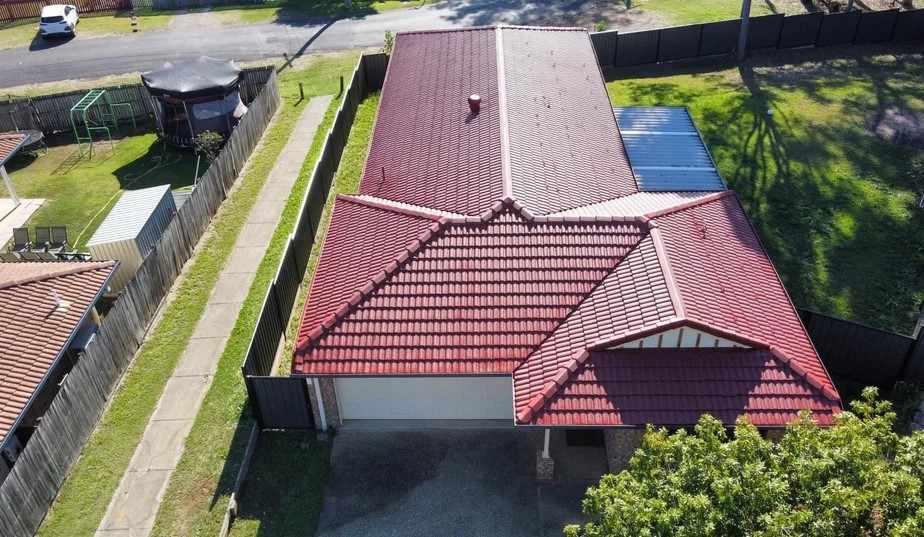
The ridge caps run along the very top of your roof. They sit on a cement bed and are sealed at the joints with mortar.
Over time, that cement cracks and the mortar shrinks. When a storm hits, caps can shift or lift, and once they do, rain gets straight into the timber underneath.
This is where roof rebedding comes in. Rebedding means stripping out the old, failed cement and laying fresh compound so the caps are properly secured again. If your ridge caps are visibly loose or shifting, booking a professional roof rebedding service in Brisbane homeowners trust is essential to lock them back down before the winds pick up.
After this, the joints between caps are resealed with a flexible compound; that is called roof pointing. Quality roof pointing in Brisbane keeps water out of those tiny gaps that open up as materials age, flex, and move in the Queensland heat.
Both jobs are quick to fix in dry weather. Both become costly if you leave them until after a storm forces the issue.
2. Roof Tiles: Look for Cracks and Slipped Tiles
Walk around your property and look up. You are checking for:
Tiles that are cracked or chipped
Tiles that have slipped out of position
Any gaps in the tile line
Brisbane's heat bakes tile all day, then a cold storm front rolls in and the temperature drops fast. That thermal shock causes hairline fractures that aren't visible until water finds them.
A slipped tile is even more straightforward; it leaves an open gap that funnels rain directly into your roof cavity.
Arranging roof repairs in Brisbane before October means you deal with these in good conditions, not mid-storm with a bucket under the drip.
3. Flashing: Small Piece, Big Problem When It Fails
Flashing is the thin metal trim around skylights, vents, chimneys, and where your roof meets a wall. Its job is to redirect water away from joints and gaps.
The sealant around flashing dries out in Brisbane's heat. Once it cracks, those joints become entry points for water. A roofer will reseal or replace sections that have reached the end of their usable life.
This is one of the most common causes of ceiling leaks, and one of the cheapest to fix when caught early.
4. Gutters: Your Roof Drains Through These
Blocked gutters don't just overflow. When water backs up, it pools against the roof edge and pushes under the tiles and into the fascia boards.
Before storm season:
Clear leaves, debris, and anything blocking the flow
Check downpipes are draining freely
Look for gutters that have pulled away from the fascia or are visibly sagging
If you have large trees over the roof, gutter guards are worth considering. They significantly reduce maintenance needs and prevent the blockage that can cause overflow damage during heavy downpours.
5. Older Roofs May Need More Than Repairs
If your roof is 15 or more years old, a few targeted fixes might not be enough. A full assessment might show that roof restoration in Brisbane is the better option.
Restoration is not the same as replacement. It typically includes:
A professional clean
Rebedding and repointing of ridge caps
Sealing or replacing damaged tiles
A protective coating across the whole surface
Investing in a comprehensive roof restoration in Brisbane costs significantly less than tearing the roof off and starting again. And it extends the roof's life by years, which matters a great deal if Brisbane's storm seasons are only getting more intense, as the data suggest.
A restored roof also gives you documented evidence of its condition, which can be genuinely useful if an insurance claim becomes necessary after storm damage.
6. Check Inside the Roof Cavity
Most homeowners never go up into the roof space. It is worth doing.
Look for watermarks or rust stains on the timber rafters; these indicate where water has previously entered, possibly without you ever noticing it reach the ceiling. Also check for damaged sarking (the foil underlayer beneath tiles) and any signs of pest activity, since possums and rodents can cause real damage from the inside.
If you find watermarks, that is a leak that already happened. Get a roofer to find where it came from before the next season reopens the same path.
7. Book Early; Before the Rush Starts
The most common mistake Brisbane homeowners make is calling a roofer in November or December, right when every other household in Queensland is doing the same thing.
After a major storm, tradespeople are stretched for weeks. Emergency call-outs cost more, take longer, and get done under pressure.
Book your inspection in August or September. Roof repairs in Brisbane arranged early get done properly, on your schedule, with time to fix anything that needs attention before the season is underway.
It is not about being overly cautious. It is just that proactive roof repairs in Brisbane cost less, take less time, and cause far less stress than emergency ones.
Conclusion
Brisbane storms expose every weakness a roof already has. Cracked pointing, a shifted ridge cap, a blocked gutter, corroded flashing; none of these feel urgent in June. All of them become urgent the moment a storm hits.
Roof restoration, rebedding, and pointing are part of the standard maintenance cycle that keeps a roof performing year after year. And roof repairs in Brisbane sorted now, while the weather is dry and trade calendars are open, are simply the smarter way to head into storm season.
Check the roof before the storms do it for you.




Write a comment ...